
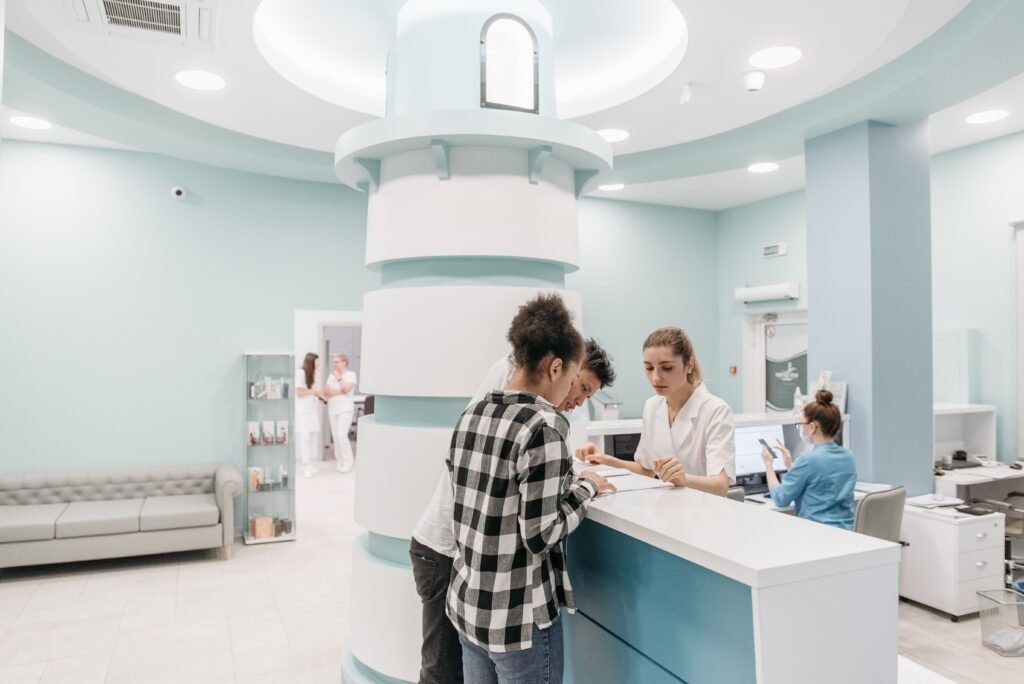
The front desk is often the first place where patients interact with a healthcare practice. Whether a patient is visiting a clinic, calling to book an appointment, or asking about a medical bill, the front desk team plays an important role in shaping their overall experience. A friendly and efficient front desk can make patients feel comfortable, while long waiting times, missed calls, and confusing communication can quickly create frustration.
Today, many healthcare practices are using artificial intelligence (AI) to support their front desk teams. AI does not replace the human side of healthcare. Instead, it helps staff handle routine tasks faster, organize information, and spend more time giving patients personal attention.
Here are some of the main ways AI can help front desk teams improve the patient experience.
1. Faster Appointment Scheduling
Scheduling appointments can take up a large part of a front desk employee’s day. Staff may need to answer phone calls, check provider availability, reschedule patients, and manage cancellations.
AI-powered scheduling tools can make this process easier. Patients may be able to book appointments through an online system or an AI assistant without waiting for a staff member to become available. The system can check available time slots and help patients choose a suitable appointment.
This can reduce phone traffic and make scheduling more convenient. Front desk staff can then focus on patients who need personal assistance.
2. Quick Responses to Patient Questions
Patients often have simple questions about clinic hours, appointment preparation, locations, services, or general policies. Answering the same questions repeatedly can take valuable time.
An AI healthcare assistant can provide quick responses to common questions. For example, patients may ask about office hours or whether they need to arrive early for an appointment. AI can provide approved information immediately, helping patients get answers without always having to call the front desk.
For more complex or sensitive questions, the AI system can direct the patient to a staff member. This creates a balance between automation and human support.
3. Reduced Waiting Times
Nobody likes waiting unnecessarily at a healthcare facility. Long waiting times can make patients feel stressed, especially when they are already worried about their health.
AI can help front desk teams manage patient flow more efficiently. Digital check-in systems can allow patients to complete basic information before or when they arrive. AI can also help organize appointment schedules and identify possible delays.
When routine processes become faster, front desk employees have more time to handle unexpected issues. This can create a smoother experience from check-in to the patient’s appointment.
4. Better Communication With Patients
Good communication is one of the most important parts of patient experience. Patients want clear information about appointments, schedules, and next steps.
AI can help send appointment reminders through approved communication channels. It can also support follow-up messages, cancellation notifications, and other routine updates.
For example, instead of relying completely on staff to call every patient about an upcoming appointment, an automated system can send reminders. This can help reduce missed appointments while also saving staff time.
Clear and timely communication can make patients feel that the practice is organized and attentive.
5. Support for Multilingual Communication
Healthcare practices may serve patients who speak different languages. Language barriers can sometimes make communication difficult, especially when patients need help with basic administrative information.
Some AI tools can support multiple languages and help with simple communication. This can make it easier for patients to understand appointment details, clinic information, and other routine instructions.
However, important medical conversations should still involve qualified healthcare professionals or trained interpreters when needed. AI should support communication rather than replace professional interpretation in situations where accuracy is critical.
6. Fewer Administrative Errors
Front desk teams handle a lot of patient information every day. Entering information incorrectly or missing an important detail can cause delays and frustration.
AI-supported systems can help organize data and automate certain administrative tasks. For example, they may assist with patient registration, appointment information, reminders, and documentation.
Reducing repetitive manual work can lower the chances of simple administrative mistakes. It also allows staff to spend less time checking routine information and more time helping patients.
7. More Time for Personal Patient Support
One of the biggest advantages of AI is that it can take care of repetitive tasks. This gives front desk employees more time to focus on people.
For example, if an AI system handles basic appointment reminders and frequently asked questions, staff can spend more time helping an elderly patient, assisting someone who is confused about the check-in process, or speaking with a patient who needs extra support.
This is important because healthcare is not only about speed. Patients also want to feel heard and respected. AI can help create more time for the human interaction that patients value.
8. Improved Call Management
Missed calls can be a major problem for busy healthcare practices. When several patients call at the same time, front desk staff may not be able to answer every call immediately.
AI-powered phone systems can help manage routine calls and collect basic information. Some systems can also provide answers to common questions or help patients with appointment-related requests.
When the issue requires human attention, the system can direct the call to the appropriate team member. This can reduce pressure on front desk staff and help fewer patients feel ignored.
9. Easier Patient Check-In
Traditional check-in can involve paperwork, forms, and waiting at the reception desk. AI-supported digital check-in can make this process more convenient.
Patients may be able to enter or confirm their information digitally before seeing the front desk employee. When they arrive, staff can quickly review the information instead of starting the entire process from the beginning.
A simpler check-in process can be especially helpful during busy hours when several patients arrive at once.
10. Better Understanding of Patient Needs
AI can also help healthcare organizations identify patterns in patient interactions. For example, a practice may notice that patients frequently ask about a particular service, experience difficulties with a certain part of the scheduling process, or regularly contact the office about the same issue.
By reviewing this type of information, healthcare managers can identify areas that need improvement. The goal is not simply to collect data but to use it to make the patient journey easier.
11. AI Can Help Reduce Staff Workload
Front desk employees often deal with repetitive and time-consuming responsibilities throughout the day. Constant phone calls, scheduling changes, reminders, and basic questions can lead to a heavy workload.
When AI handles suitable routine tasks, employees may experience less pressure. A less overwhelmed team can be more patient, focused, and responsive when interacting with patients.
This can improve both employee experience and patient experience.
AI Should Support, Not Replace, Front Desk Staff
Although AI offers many benefits, it should not remove the human element from healthcare. Patients sometimes need empathy, understanding, and personal assistance that technology cannot provide.
Healthcare practices should use AI for tasks where automation makes sense while allowing front desk employees to handle situations that require judgment and compassion.
Staff should also be trained to understand how AI tools work and when they need to step in. Patient information must be handled carefully, and healthcare organizations should use secure systems that follow applicable privacy and security requirements.
The Future of AI in Healthcare Front Desks
AI is changing how healthcare practices manage everyday administrative work. From appointment scheduling and patient reminders to check-in and communication, these tools can help front desk teams work more efficiently.
The biggest benefit is not simply doing tasks faster. It is creating more time for staff to focus on patients. When technology handles repetitive work and employees handle the human side of care, healthcare practices can provide a more convenient, responsive, and welcoming experience.
As AI technology continues to improve, more healthcare organizations are likely to use it as part of their front desk operations. Practices that introduce AI thoughtfully can reduce administrative pressure while helping patients receive faster and more organized service.
Ultimately, the best patient experience comes from combining technology with human care. AI can make the process smoother, but a caring and helpful front desk team remains an essential part of quality healthcare.