
Anyone who has worked in a doctor’s office, a hospital billing department, or an insurance company knows the pain of insurance verification. It’s the process of confirming that a patient’s insurance is active, that a specific treatment is covered, and that everything lines up before a claim gets filed. On paper, it sounds simple. In practice, it’s one of the most frustrating, time-consuming parts of healthcare administration in the United States.
Staff spend hours on hold with insurance companies. They dig through outdated portals. They call patients back to ask for information that should have been captured the first time. And even after all that effort, mistakes still slip through, leading to denied claims, delayed payments, and unhappy patients.
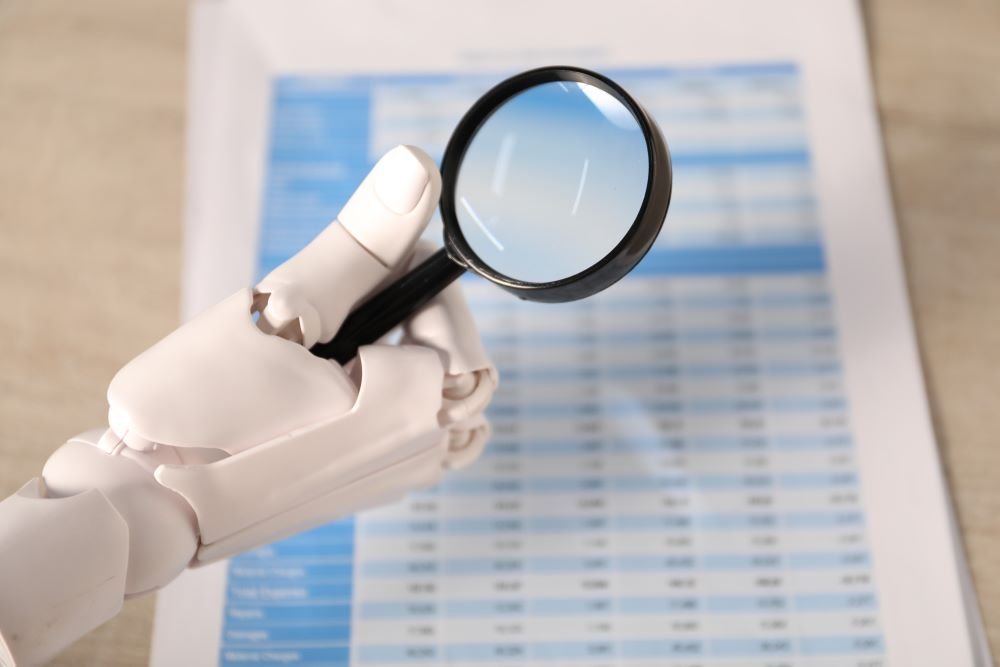
This is exactly the kind of repetitive, rules-based, high-volume work that artificial intelligence is built to handle. AI insurance verification is quickly becoming one of the most practical and impactful uses of AI in healthcare and insurance today. Let’s break down what it actually means, why it matters, and how it’s changing the way providers and insurers work together.
What Is AI Insurance Verification?
At its core, insurance verification means checking a patient’s coverage details before a service is provided or a claim is submitted. This includes things like:
- Confirming the policy is active
- Checking co-pays, deductibles, and out-of-pocket limits
- Verifying whether a specific procedure or medication is covered
- Identifying if prior authorization is required
- Catching any mismatches between patient information and insurer records
Traditionally, this has been done manually, either by phone, fax (yes, still in 2026), or by logging into multiple insurance portals one by one. It’s slow, and it depends heavily on the accuracy of the person doing the work.
AI insurance verification replaces or supports this manual process with software that can pull data automatically, cross-check it against payer databases, flag inconsistencies, and even predict potential coverage issues before they become a problem. Instead of a staff member checking one patient at a time, AI systems can process hundreds or thousands of verifications in the background, often in real time.
Why This Matters So Much in the US
The American healthcare and insurance system is famously complicated. There are thousands of insurance plans, each with different rules, exceptions, and documentation requirements. A treatment covered under one plan might require special approval under another. This complexity is exactly why verification errors are so common, and why they’re so costly.
When verification is done incorrectly or too slowly, the effects ripple outward:
- Claims get denied, which delays payment to providers
- Patients get surprise bills for services they thought were covered
- Staff spend extra hours reworking claims that could have been done right the first time
- Trust between patients, providers, and insurers takes a hit
Given how much money moves through the US healthcare system every year, even small improvements in verification accuracy can add up to massive savings and smoother experiences for everyone involved.
How AI Improves Accuracy
Manual verification depends on humans reading, typing, and interpreting information correctly every single time. That’s simply not realistic at scale. People get tired, information is inconsistent across systems, and small errors compound over time.
AI-based systems reduce this risk in a few key ways:
- Real-time data matching.Instead of relying on a phone call or a static portal, AI tools can connect directly to insurer databases and pull live information. This means the details being checked are current, not based on outdated records.
- Pattern recognition. AI can be trained to recognize common reasons claims get denied, such as missing prior authorizations or mismatched procedure codes. It can flag these issues before a claim is ever submitted, rather than after it bounces back weeks later.
- Consistency. Unlike a human team where quality can vary from person to person or day to day, an AI system applies the same rules and checks every single time. This consistency is one of the biggest quiet wins of automation.
- Fewer manual entry errors. A large share of verification mistakes come down to simple typos or misreadings of insurance cards. AI-powered tools that can read and extract data directly from documents or digital records cut this kind of error dramatically.
How AI Improves Efficiency
Beyond accuracy, the time savings are enormous. Verification that used to take a staff member fifteen to twenty minutes per patient can often be reduced to seconds with automated systems. Multiply that across dozens or hundreds of patients a day, and the impact on staff workload is significant.
This efficiency shows up in a few practical ways:
- Faster patient check-ins, since coverage details are already confirmed before the appointment
- Fewer phone calls and hold times, since much of the checking happens electronically
- Quicker claim submissions, since verified information reduces back-and-forth with payers
- More time for staff to focus on patient care and complex cases, instead of repetitive administrative tasks
For smaller practices especially, this can mean not needing to hire additional administrative staff just to keep up with growing patient volume.
It’s Not About Replacing People
It’s worth being clear about something important: AI insurance verification isn’t about eliminating jobs in billing and administration. It’s about removing the tedious, repetitive parts of the job so staff can focus on situations that actually need human judgment, like resolving a denied claim, explaining coverage to a confused patient, or handling an unusual case that doesn’t fit a standard pattern.
AI is good at speed and consistency. People are good at empathy, judgment, and handling exceptions. The most effective systems combine both, using AI to handle the routine checks and freeing up staff to step in when something more nuanced comes up.
What to Look for If You’re Considering AI Verification Tools
If a healthcare practice, hospital system, or insurance company is exploring AI-powered verification tools, a few things are worth prioritizing:
- Integration with existing systems. The tool should connect smoothly with the electronic health record (EHR) or practice management software already in use, rather than requiring a completely separate workflow.
- Real-time updates. Look for systems that pull live data rather than relying on periodic batch updates.
- Clear audit trails. Good systems should show exactly what was checked and when, which is important for both compliance and troubleshooting.
- Data security and compliance. Since this involves sensitive patient information, HIPAA compliance and strong data protection practices are non-negotiable.
- Support for exceptions. No AI system will catch everything perfectly. There should be a clear, easy path for staff to review and correct flagged issues.
Looking Ahead
Insurance verification has long been one of the most frustrating parts of the US healthcare experience, for staff and patients alike. AI isn’t a magic fix for the complexity of the insurance system, but it is a genuinely useful tool for cutting down on errors, speeding up processes, and reducing the administrative burden that has built up over decades.
As more practices and insurers adopt these tools, the hope is a system that feels a little less like a maze and a little more like it’s actually working for the people it’s supposed to serve.