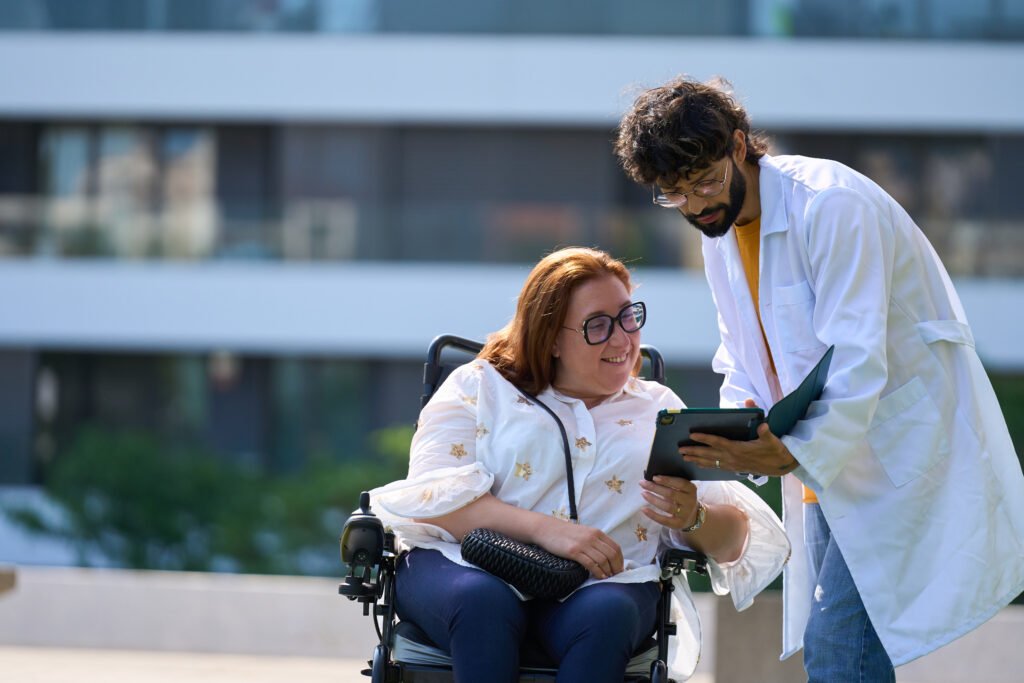
When someone is recovering from surgery, living with a long-term illness, or needs extra help with daily activities, medical equipment can make life much easier. This is where a Durable Medical Equipment (DME) provider plays an important role.
A DME provider supplies medical equipment that is strong, reusable, and designed for long-term use. They also help patients choose the right equipment, explain how to use it safely, and provide support after delivery.
Let’s look at what DME providers do and why they are so important.
What Is Durable Medical Equipment?
Durable Medical Equipment, often called DME, includes medical devices that are built to last and are used repeatedly. Most of these products are prescribed by a healthcare provider to help patients recover, manage chronic conditions, or improve their quality of life.
Common examples include:
- Wheelchairs
- Walkers and rollators
- Hospital beds
- Oxygen equipment
- CPAP and BiPAP machines
- Mobility scooters
- Patient lifts
- Blood pressure monitors
- Nebulizers
- Diabetic testing supplies
These products help patients stay safe, comfortable, and independent at home.
What Does a Durable Medical Equipment Provider Do?
A DME provider does much more than simply deliver medical equipment. They work closely with patients, doctors, hospitals, and insurance companies to make sure every patient receives the right product.
Their services often include:
-
Equipment Recommendations
After receiving a prescription, the provider helps patients choose the equipment that best fits their medical needs and lifestyle.
-
Home Delivery
Many providers deliver equipment directly to the patient’s home, making the process easy and convenient.
-
Equipment Setup
Some medical devices need proper installation before they can be used safely. DME providers often set up the equipment and ensure everything is working correctly.
-
Patient Education
Patients and caregivers receive instructions on how to use, clean, and maintain the equipment properly.
-
Insurance Assistance
Many DME providers help patients understand their insurance coverage, submit claims, and complete the required paperwork.
-
Repairs and Maintenance
If equipment becomes damaged or stops working properly, providers can repair or replace it to ensure patient safety.
Who Can Benefit from a DME Provider?
Many people may need durable medical equipment, including:
- Seniors who need mobility support
- Patients recovering after surgery
- People with chronic illnesses
- Individuals with disabilities
- Patients with breathing disorders
- People receiving care at home
The right equipment helps improve comfort, mobility, and independence.
Why Choosing the Right DME Provider Matters
Not every DME provider offers the same level of service. Choosing a reliable provider ensures you receive quality equipment, professional guidance, and ongoing support whenever you need it.
Look for providers that offer:
- High-quality medical equipment
- Experienced and knowledgeable staff
- Fast delivery services
- Insurance support
- Equipment maintenance and repairs
- Excellent customer service
A trusted provider can make your healthcare experience much easier.
Benefits of Working with a Durable Medical Equipment Provider
Using a professional DME provider offers several advantages:
- Access to reliable medical equipment
- Safe setup and installation
- Expert training for patients and caregivers
- Help with insurance paperwork
- Ongoing maintenance and repairs
- Improved comfort and independence at home
These services allow patients to focus on recovery instead of worrying about their medical equipment.
Conclusion
A Durable Medical Equipment provider is an important part of patient care. They supply essential medical equipment, help patients use it safely, and provide ongoing support throughout the treatment process.
Whether someone needs a wheelchair, oxygen therapy equipment, a hospital bed, or a CPAP machine, a trusted DME provider makes it easier to receive the right equipment and continue care from the comfort of home. Choosing an experienced provider ensures better service, improved safety, and greater peace of mind for both patients and caregivers.